
What Does AI Stand For In Nutrition? Artificial Intelligence (AI) in nutrition refers to the use of advanced computational systems, machine learning algorithms, and data analytics to improve dietary recommendations, enhance health outcomes, and support nutrition science. When asking what does AI stand for in nutrition, the answer extends beyond the definition of Artificial Intelligence. It represents a transformative approach to understanding food, health, and individualized dietary needs using data-driven insights.
AI is rapidly changing how individuals, healthcare providers, and nutrition professionals approach diet planning. By analyzing large volumes of data such as eating habits, medical history, lifestyle behaviors, and biometric information, AI systems can generate highly personalized nutrition advice. This level of customization is far more precise than traditional dietary guidelines, which often rely on generalized recommendations.

As nutrition science evolves alongside technology, AI is becoming a crucial tool in preventive healthcare, weight management, chronic disease control, and overall wellness improvement.
Understanding What AI Means in Nutrition
To understand what AI stands for in nutrition, it is important to break down how Artificial Intelligence functions within the dietary and health ecosystem. AI systems use algorithms that learn from data. These algorithms analyze patterns in food consumption, nutrient intake, and health outcomes to generate insights and predictions.
In nutrition, AI typically involves:
- Machine learning models analyzing dietary data
- Predictive analytics identifying health risks
- Natural language processing interpreting food logs
- Computer vision recognizing meals from images
- Data integration from wearable devices and health apps
These technologies allow AI to create intelligent dietary recommendations tailored to individual needs.
Unlike traditional nutrition planning, which often depends on static guidelines, AI adapts continuously. As users provide more data, the system learns and refines its recommendations. This dynamic approach makes AI particularly effective for long-term dietary management.
The Role of AI in Personalized Nutrition
One of the most important applications of AI in nutrition is personalized diet planning. Every individual has unique nutritional needs based on factors such as age, metabolism, activity level, genetics, and medical conditions. AI systems can analyze all of these variables simultaneously.
AI-powered platforms evaluate:
- Daily calorie intake
- Macronutrient distribution
- Micronutrient deficiencies
- Food preferences
- Allergies and intolerances
- Lifestyle habits
- Health goals
Using this information, AI generates customized meal plans designed to optimize health outcomes. These plans are flexible and adjust based on user feedback and behavioral patterns.
Personalized nutrition increases adherence because recommendations align with individual tastes and daily routines. This improves the likelihood of maintaining healthy eating habits over time.
How AI Collects Nutrition Data
AI systems rely on multiple data sources to provide accurate nutrition recommendations. These sources include manual inputs, wearable devices, and integrated health platforms.
Common data inputs include:
- Food diaries and meal tracking
- Step count and physical activity data
- Sleep patterns
- Heart rate monitoring
- Weight changes
- Blood glucose readings
- Medical history
By combining these data streams, AI can build a comprehensive profile of an individual’s nutritional needs. This holistic view allows for more precise and actionable guidance.
AI in Meal Planning and Food Recommendations
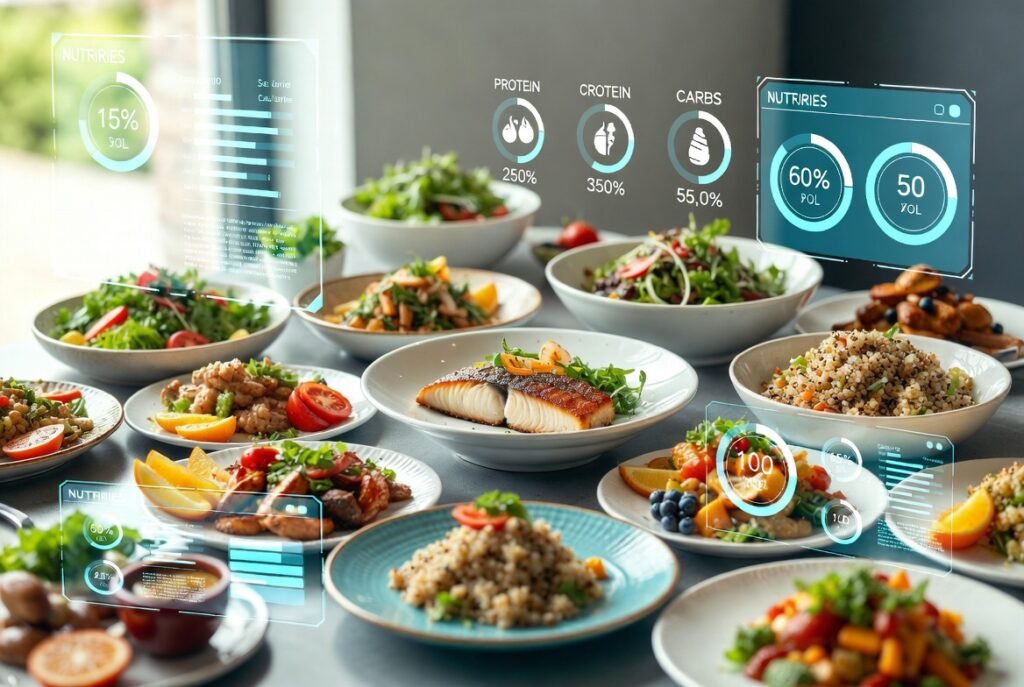
AI has significantly improved meal planning by automating complex calculations and offering intelligent food suggestions. Traditional meal planning often requires manual tracking of nutrients, calories, and portion sizes. AI simplifies this process.
AI meal planning tools can:
- Suggest balanced meals based on dietary goals
- Recommend healthier alternatives
- Generate grocery lists
- Optimize nutrient intake
- Adapt plans based on progress
These systems can also account for dietary restrictions such as vegan, keto, gluten-free, or low-sodium diets. This flexibility makes AI useful for diverse populations.
Additionally, AI can learn from user preferences. If someone consistently chooses certain foods, the system incorporates those preferences into future recommendations while maintaining nutritional balance.
AI for Weight Management
Weight management is one of the most common uses of AI in nutrition. AI systems analyze calorie intake, energy expenditure, and metabolic patterns to create customized strategies.
AI helps with weight management by:
- Tracking calorie balance
- Adjusting meal plans dynamically
- Monitoring progress
- Providing behavioral insights
- Identifying overeating patterns
These capabilities allow users to make informed decisions about portion control and food choices. AI can also predict plateaus and suggest adjustments to maintain progress.
Artificial Intelligence in Clinical Nutrition and Healthcare
AI is increasingly used in clinical settings to support dietitians, physicians, and healthcare professionals. Medical nutrition therapy often requires detailed analysis of patient data, which AI can perform efficiently.
Healthcare applications include:
- Managing diabetes through personalized diet plans
- Supporting heart disease prevention
- Addressing malnutrition
- Monitoring recovery after surgery
- Assisting with pediatric nutrition
AI tools can analyze patient records and dietary patterns to recommend evidence-based interventions. This enhances the quality of care and reduces the time required for manual assessments.
AI and Nutritional Deficiency Detection
Another major advantage of AI in nutrition is its ability to detect nutrient deficiencies early. By analyzing food intake and health indicators, AI can identify gaps in essential vitamins and minerals.
For example, AI systems may detect:
- Low iron intake
- Vitamin D deficiency risk
- Inadequate protein consumption
- Insufficient fiber intake
Early detection allows individuals to adjust their diets before deficiencies lead to health problems. This proactive approach supports preventive healthcare.
AI Integration With Wearable Technology
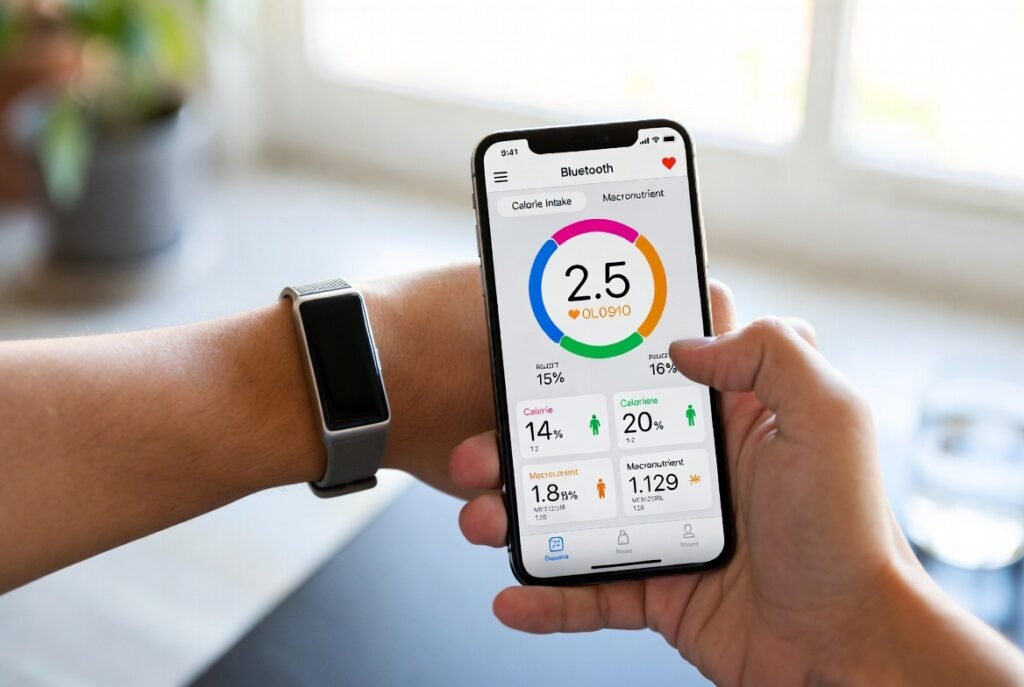
Wearable devices play a significant role in AI-driven nutrition. Fitness trackers and smartwatches collect real-time data that enhances AI recommendations.
Wearable data includes:
- Daily activity levels
- Calories burned
- Sleep quality
- Heart rate variability
- Stress levels
AI uses this information to adjust dietary recommendations dynamically. For instance, if a user increases physical activity, AI may recommend higher protein intake or additional calories.
This integration creates a responsive nutrition system that evolves with lifestyle changes.
AI in Public Health Nutrition
AI is not limited to individual use. It is also being applied at the population level to improve public health nutrition strategies. Governments and organizations use AI to analyze dietary trends and health outcomes.
Public health applications include:
- Identifying obesity trends
- Monitoring food accessibility
- Analyzing nutritional disparities
- Designing community nutrition programs
- Evaluating policy effectiveness
These insights help policymakers create targeted interventions to improve overall health outcomes.
Benefits of AI in Nutrition
AI offers several advantages that make it a powerful tool in modern nutrition science.
Key benefits include:
- Highly personalized dietary recommendations
- Real-time nutrition tracking
- Improved adherence to diet plans
- Early detection of deficiencies
- Enhanced support for healthcare professionals
- Data-driven decision making
- Scalable public health solutions
These benefits contribute to better health outcomes and more efficient nutrition management.
Challenges and Ethical Considerations
Despite its advantages, AI in nutrition presents several challenges that must be addressed.
Data Privacy
AI systems rely on personal health data. Protecting this information is essential to maintain user trust. Secure storage and transparent data policies are necessary.
Algorithm Bias
AI recommendations depend on training datasets. If these datasets lack diversity, the resulting guidance may not be suitable for all populations.
Accuracy of Data
AI systems are only as accurate as the data they receive. Incorrect food logs or incomplete information can lead to flawed recommendations.
Over-Reliance on Technology
While AI provides valuable insights, professional guidance from dietitians and healthcare providers remains important.
AI and Behavioral Change
AI not only analyzes nutrition but also supports behavioral change. Many AI platforms include coaching features that encourage healthier habits.
Behavioral support includes:
- Reminder notifications
- Progress tracking
- Goal setting
- Motivational feedback
- Habit analysis
These features help users stay consistent and maintain long-term dietary improvements.
The Future of AI in Nutrition
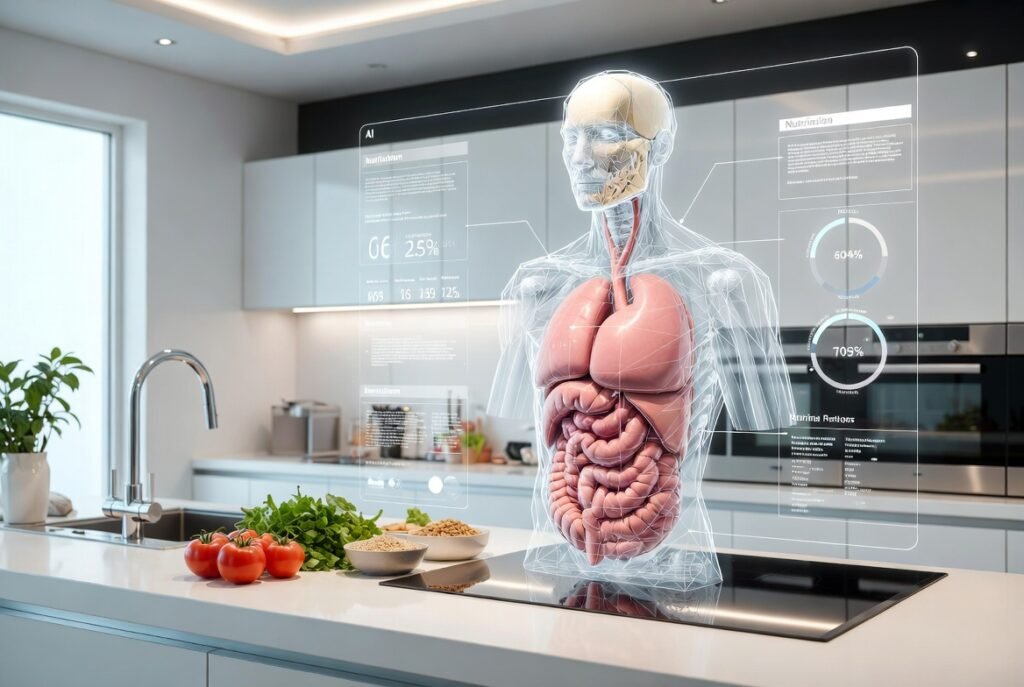
The future of AI in nutrition is expected to bring even more advanced capabilities. Emerging technologies will further enhance personalization and accessibility.
Future developments may include:
- AI-powered smart kitchens
- Real-time nutrient analysis through sensors
- Integration with genetic data
- Voice-based nutrition assistants
- Predictive disease prevention
These innovations will continue to refine dietary recommendations and make personalized nutrition widely available.
Why AI in Nutrition Matters
Understanding what does ai stand for in nutrition is important because it highlights a shift toward data-driven health management. Traditional dietary advice often follows generalized guidelines, but AI allows for individualized strategies.
This shift improves:
- Long-term health outcomes
- Diet adherence
- Preventive healthcare
- Nutritional awareness
AI empowers individuals to make informed food choices based on their unique needs.
Conclusion
When exploring what does AI stand for in nutrition, the answer goes beyond Artificial Intelligence. It represents a transformative approach to diet planning, health monitoring, and nutritional science. AI combines data analytics, machine learning, and real-time tracking to deliver personalized dietary recommendations that adapt to individual lifestyles.
What does ai stand for in nutrition? From personalized meal planning to clinical healthcare applications, AI is reshaping how nutrition is understood and practiced. While challenges such as data privacy and algorithm bias remain, the benefits of AI-driven nutrition are substantial.
As technology continues to evolve, AI will play an increasingly important role in helping individuals achieve better health through smarter, more personalized dietary choices.